G’day! Got a problem with those buzzy pests? You might be wondering, will ant killer kill wasps? Well, you’re in luck, ’cause we’re about to dive into whether ant killer for wasps is a good match. Down here in Australia, we’ve got all sorts of creepy crawlies, and none of us are too keen on wasps hanging around. So, let’s chat about effective wasp control and talk about tips for eliminating wasps with ant killer.
Now, when you’ve got wasps flying about, it’s not the best time, is it? Especially those European Wasps – they’re a real hassle. But here’s the thing, you can actually use some ant killers to send them packing. Let’s break it down, make it easy to understand, and keep you safe all the while.
Key Takeaways
- The right ant killer dust can send wasps buzzin’ off.
- Throw that dust into the wasps’ home at night – less chance of stingers that way.
- Gear up in some protective kit to stop any nasty stings.
- Keep it dry – wet weather makes the killer dust a no-go.
- If you spot European Wasps, tell the Agriculture mob in WA – they’re pests!
- Remember, if you’ve got pets, keep ’em away from treated spots.
With these simple steps, you’ll be well on your way to enjoying a wasp-free barbie in no time. Stay safe and good luck!
Understanding the Science Behind Ant Killers and Wasp Extermination
When it comes to pest control for wasps, it’s crucial to understand how wasp extermination products like Yates Bayer Ant & Wasp Dust work. These products use Permethrin, a robust insecticide, to eliminate pests upon contact. The fine dust is designed to be puffed into areas where wasps are nesting or into the paths of ants. This method allows the insects themselves to carry the insecticide back to their colonies.
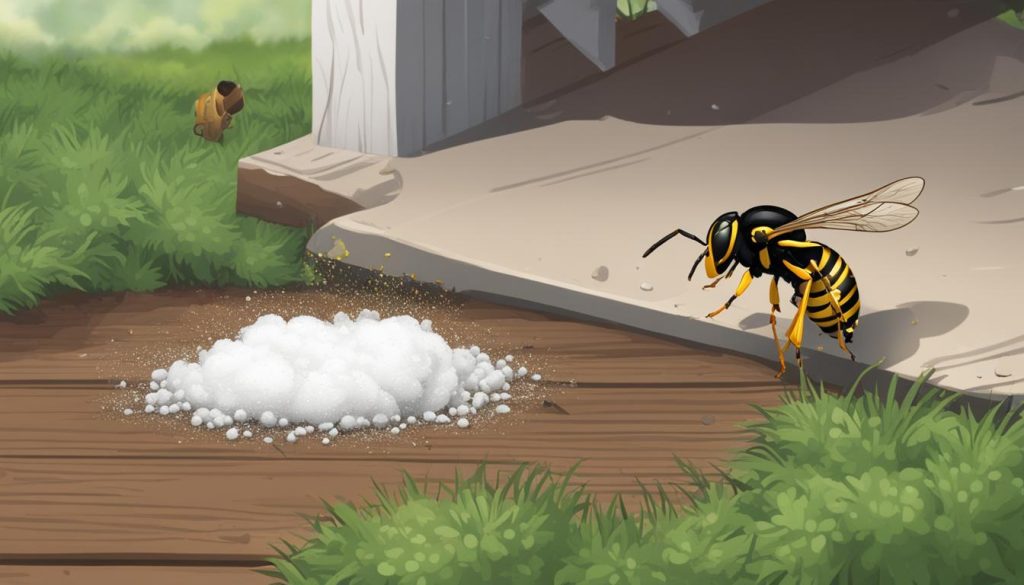
However, while utilising these potent popular wasp control methods, taking the necessary safety precautions is a must. This ensures the well-being of not only the humans applying them but the local ecosystem as well. Below is a simple guide to the correct application and safety measures you should follow:
- **Distribute the product lightly** to ensure it fully covers the targeted area without creating piles of dust.
- **Wear heavy protective clothing** and gear, such as gloves and a mask, to prevent stings and inhalation of the product.
- Avoid application **near food or water sources** to reduce the risk of contamination.
- **Keep children, pets, and sensitive wildlife away** from treated areas.
Yates Bayer Ant & Wasp Dust’s scientific effectiveness is in its treatment process. Once applied, it sticks to the insects that contact the powder, which they then transport back to their nest, resulting in a chain reaction of extermination.
| Product | Insecticide | Application Area | Safety Note |
|---|---|---|---|
| Yates Bayer Ant & Wasp Dust | Permethrin | Nests/Paths | Use with protective clothing, do not ingest |
| Raid Ant Killer | Pyrethroids | Indoor Surfaces | Keep away from food and children |
Will Ant Killer Kill Wasps: Investigating the Ingredients and Effectiveness
When you’ve got a wasp problem, you might be thinking: do ant killers work on wasps? Well, let’s dive into what makes these products tick and see if they’re up to the task. It’s all about the ingredients and how they affect those pesky wasps.
Key Ingredients in Ant Killers and Their Impact on Wasps
One common weapon in the fight against ants is Yates Bayer Ant & Wasp Dust, which packs Permethrin, a tough ingredient that doesn’t go easy on insects. This stuff, belonging to the pyrethroids family, is also a heavy hitter for many types of wasps. That said, some stubborn wasp species might not be as bothered by it. For people who don’t fancy chemicals, natural wasp repellent options like a splash of vinegar, a dab of peppermint oil, or a sprinkle of diatomaceous earth might do the trick. Mixing up the chemical warriors with these natural lads could give you the best ant killer for wasps without too much fuss.
Safety Precautions When Using Ant Killers for Wasp Control
Safety’s a biggie, mates. You’ve got to keep those toxic chemicals out of reach of kiddos, furry friends, and our Aussie wildlife. Suiting up in protective gear is a must when you’re playing the exterminator role with these products. Plus, be super careful not to mess up where we make food or collect water. And let’s not forget, we’ve got to look out for the good bugs, like bees. Some of those bigger, angrier wasps like European Hornets and Yellow Jackets might need extra care when you’re dealing with them.
Analyzing Different Application Methods for Optimal Results
If you want to get rid of those wasps for good, you’ve got to find where they’re hiding. A spray here and a trap there might do the job, or sometimes a bit of smoke can tell them it’s time to buzz off elsewhere. Sealing up any entry points cuts off any uninvited return guests. Regular bug sprays, like Raid Ant Killer which is chock-full of pyrethroids, can send wasps packing. However, for the hard-as-nails types of wasps, heavier-duty solutions or a call to the pros might be the way to go for eliminating wasps with ant killer.
FAQ
Can Ant Killer Effectively Eliminate Wasps?
Yes, several ant killer products, such as those containing Permethrin, can be effective in eliminating wasps if used correctly. They are designed to permeate nests, and the wasps come into contact with the poison. It’s important to follow the instructions carefully and take safety precautions.
What is the Science Behind Ant Killers and Wasp Extermination?
Ant killers often contain active ingredients such as Permethrin, part of the pyrethroid family, which is toxic to a variety of insects, including wasps. These products work by being picked up by insects and spread through contact, causing a chain reaction within the colony or nest which leads to extermination.
What Are the Key Ingredients in Ant Killers That Affect Wasps?
Key ingredients in many ant killers that also impact wasps include pyrethroids such as Permethrin. These chemical compounds are effective against many insects, although some wasp species might show varying levels of resistance.
What Safety Precautions Should Be Taken When Using Ant Killers for Wasp Control?
When using ant killers for wasps, wear protective clothing and gear to prevent stings. Ensure children, pets, and wildlife are kept away from treated areas. Do not apply near food or water sources and avoid contaminating the habitats of beneficial insects like bees.
What Are Some Effective Application Methods for Ant Killer When Targeting Wasps?
For effective application, locate the wasp nest and apply the insecticide directly into the nest entrance, preferably at night. Seal entry points after treatment to prevent reinfestation. Using traps and applying smoke can also eradicate wasps, while other methods may include using wasp-targeted products or professional extermination services for tougher species.
Is Natural Wasp Repellent Effective?
Natural wasp repellents like vinegar, peppermint oil, lemon juice, and diatomaceous earth can deter wasps to some extent, but their efficacy may not be as high as chemical insecticides for large infestations. They can, however, be a good alternative for those looking for a more environmentally-friendly approach.
Will the Same Ant Killer Product Work for Fleas, Bedbugs, and Other Pests?
While ant killers can be effective against a range of pests, it’s important to use products as directed for specific pests. Dusts that work on ants and wasps may not be suitable for use against fleas or bedbugs, which may require a different approach or formulation.
Can Ant Killers Be Used Indoors?
Ant killers can be used indoors with caution, ensuring the space is well-ventilated and the product is not used in areas where there is food or where pets and children can access it. Always read the label for indoor use instructions and safety guidelines.
Should I Attempt to Remove a Wasp Nest Myself?
Removing a wasp nest can be dangerous, especially if you are allergic to stings or the nest is large. For safety, it is often recommended to hire a professional pest control service to deal with wasp nests safely and effectively.
How Can I Report Sightings of Pests Like European Wasps?
In Australia, particularly Western Australia, European Wasps are considered a significant pest. Sightings should be reported to the Department of Agriculture and Food to assist in monitoring and controlling their spread.