G’day! If you’ve spotted a line of black ants marching through your home, you’re not alone. Here in Australia, these little critters can be pretty standard, but that doesn’t mean you have to put up with them. While they’re not usually harmful, no one wants ants taking over their space. So, let’s chat about how to control ants in the house and keep them from becoming an uproar.
First up, don’t stress – with a bit of know-how, you can tackle an ant infestation treatment head-on. We’re talking about effective ant management, ensuring these six-legged intruders get the boot. From basic steps to more detailed plans, we’ll cover everything needed for eliminating ants in the house and keeping them out!
Key Takeaways
- Get to know the tricks for controlling ants inside your home.
- Simple ant infestation treatment steps can make a big difference.
- Discover how staying tidy is crucial in effective ant management.
- Learn why keeping your place dry helps in eliminating ants in the house.
- Tackle the problem head-on with easy-to-follow tips and strategies.
Understanding the Ant Problem in Australia
In Australia, the warm and dry conditions create the perfect environment for ants to thrive. As they march into homes in search of water and shelter, they bring not just the inconvenience of their presence but also the risk of carrying bacteria. With the sheer variety of ants—over 12,000 species globally—the focus on indoor ant control becomes not just a matter of comfort, but of health and safety, too.
Despite most species being more of a nuisance than a direct threat, the potential health risks associated with these tiny invaders cannot be ignored. Therefore, understanding and implementing various ant control methods and ant extermination techniques is essential for Aussie homeowners.
Did you know? Ants can communicate with each other and organize their activities thanks to the chemicals they release, known as pheromones. This makes them incredibly effective at invading spaces quickly.
Here’s a simple list of steps you can take for indoor ant control:
- Identify common entry points like cracks or gaps around doors and windows.
- Keep kitchens and dining areas free of crumbs and sugary substances.
- Use natural deterrents such as vinegar or lemon juice to disrupt ant trails.
- Place ant baits strategically to reduce the population.
By adhering to these simple guidelines, Australians can keep their homes ant-free and prevent the health risks associated with these persistent insects.
How to Control Ant in House: Preventative Strategies
Keeping ants at bay is simpler than you might think. With some basic DIY ant control measures and a bit of know-how, you can make your home less inviting to these persistent pests. Let’s explore some practical ant prevention tips to safeguard your abode from unwelcome six-legged guests.
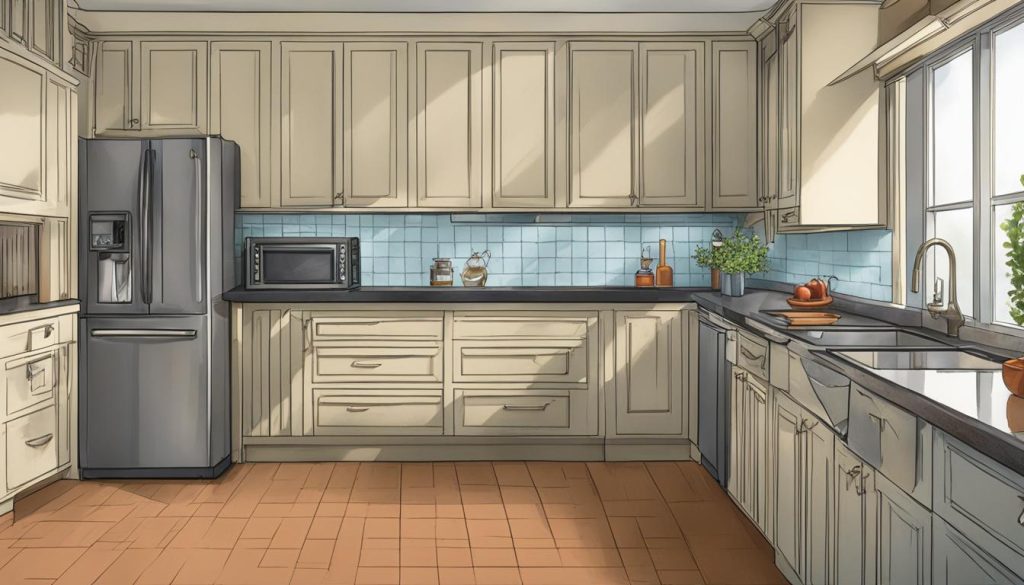
Seal Entry Points to Deter Invasion
To prevent these tiny intruders from entering, scrutinize your home for any cracks or crevices. Focus on:
- Inspecting walls and skirting boards for fissures
- Checking areas around windows and doors
- Verifying seal integrity on cable and pipe entries
Once identified, use sealants to block their paths. Consider silicone caulk for a flexible, waterproof seal.
Regular Cleaning Regimen to Remove Attractants
Maintaining a spotless environment is paramount in eliminating ants in the house. Implement a daily cleaning programme that includes:
- Wiping down all surfaces to remove food particles and spills
- Cleaning under appliances where crumbs can accumulate
- Disrupting pheromone trails with a vinegar and water solution
Remember, a clean kitchen is your first line of defence against an ant invasion.
Maintaining a Dry Environment to Discourage Nesting
Indoor ant control often hinges on eliminating moisture. Take these steps to keep your home dry:
- Fix dripping faucets and pipes
- Use dehumidifiers in moist areas like basements
- Ensure good ventilation to reduce humidity
By addressing these issues, you create a less appealing environment for ants looking for a place to settle.
Implementing these ant management techniques is about more than just a quick fix; it’s about creating a sustainable environment that naturally keeps ants at bay. With regular upkeep and a proactive mindset, you can enjoy an ant-free home.
Natural and DIY Ant Control Solutions
When ants begin to visit your house uninvited, it’s tempting to use harsh chemicals to show them the door. However, simpler and more environmentally friendly DIY ant control solutions exist that can keep your home ant-free, using everyday household items. Let’s explore a few effective methods to prepare natural ant repellent and deter these pesky insects.

One home-made remedy involves a basic boric acid mixture, which can be crafted by combining boric acid with sugary substances to attract the ants. It’s easy and cost-effective. Here’s how you can make and use it:
- Combine half a teaspoon of boric acid with 8 teaspoons of sugar and a cup of warm water.
- Stir this mixture until the solids have dissolved completely.
- Soak cotton balls in this mixture and place them near known ant trails.
- Note: Be careful with boric acid if you have pets or children – it should be placed out of their reach.
If you’re aiming for something even more natural, look no further than your spice cabinet or garden. Items like cinnamon leaf essential oil and coffee grounds are natural repellents that ants steer clear from.
| Ingredient | Method of Use | Additional Notes |
|---|---|---|
| Cinnamon Leaf Essential Oil | Place a few drops on cotton balls and position them in ant entry points. | The strong scent disrupts ant trails and acts as a barrier. |
| Coffee Grounds | Scatter the grounds outside your house, especially near the garden and foundation. | Ants dislike coffee grounds and usually won’t walk over them. |
And for an everyday easy-to-implement tip, a common favorite is using a mixture of glass cleaner and liquid detergent. It not only cleans your surfaces but, when it comes into contact with ants, it erases the pheromone trails they leave behind, thereby confusing and repelling them.
- Mix one part glass cleaner with one part liquid dish soap.
- Spray it directly on ants and wipe them away to discourage new visitors.
Implementing these straightforward DIY ant control solutions can effectively reduce and often eliminate ant problems in your home, all while keeping your conscience clear with their natural properties.
Conclusion
Dealing with ants in your home can be a tricky affair, and finding the right balance between DIY efforts and professional help is important to manage these persistent intruders effectively. When it comes to ant infestation treatment and ant extermination techniques, knowing when to call in the experts can save a great deal of time and ensure that ant issues are not just controlled but eradicated.
When to Choose Professional Ant Extermination Techniques
Should the situation at home escalate with trails of ants becoming a common sight despite your best efforts, it’s a sign to seek professional ant extermination techniques. These professionals have the experience and resources needed for effective ant management, particularly when you’re up against a sizable infestation that’s too complex to tackle on your own. They’ll tailor a solution that reduces the chance of ants coming back, giving you peace of mind.
Long-term Ant Management and Prevention Tips
In the long run, prevention is your best weapon against ants. Maintain a robust cleaning schedule, store food in airtight containers, and ensure rubbish bins have tight lids to keep ants at bay. Regularly check for and seal any new entry points. Being consistent with these ant prevention tips will go a long way in keeping your home ant-free. However, if you find ants are taking over, assessing the scope of the problem will guide you towards either continuing with your own methods or getting professional assistance. Either way, staying informed and vigilant is key to long-term ant control in your home.
FAQ
How do I control ants in my house?
Effective ant management includes actions such as sealing entry points, maintaining a clean environment, and using natural repellents or DIY ant control solutions to prevent and eliminate ants from your house.
What are the common ant control methods in Australia?
Common ant control methods in Australia include regular cleaning to remove food sources, sealing cracks and crevices, using bait stations or gels, and for severe cases, professional extermination techniques.
How can I naturally repel ants?
Natural ant repellents include using essential oils like peppermint or eucalyptus, creating barriers with substances like diatomaceous earth or coffee grounds, and using kitchen ingredients like vinegar or lemon juice to disrupt pheromone trails.
What are some DIY ant control solutions?
DIY ant control solutions can range from placing bait mixed with sugar and boric acid to using non-toxic substances such as soapy water or baking soda to interfere with ant habitats and trails. Always be cautious with boric acid around pets and children.
How can I prevent ants from invading my home?
Prevent ants from invading by sealing all potential entry points, keeping your house clean and free of food crumbs, storing food in airtight containers, and managing moisture by fixing leaks and ensuring proper drainage around your home.
When should I opt for professional ant extermination?
Consider professional ant extermination if you have a persistent ant problem that DIY methods fail to resolve, or if you encounter a large infestation that could potentially damage your property or poses a significant health risk.
What are long-term ant management and prevention tips?
Long-term ant management includes implementing a consistent cleaning routine, properly storing food, performing regular inspections for potential entry points and nesting sites, and using natural and chemical deterrents strategically.