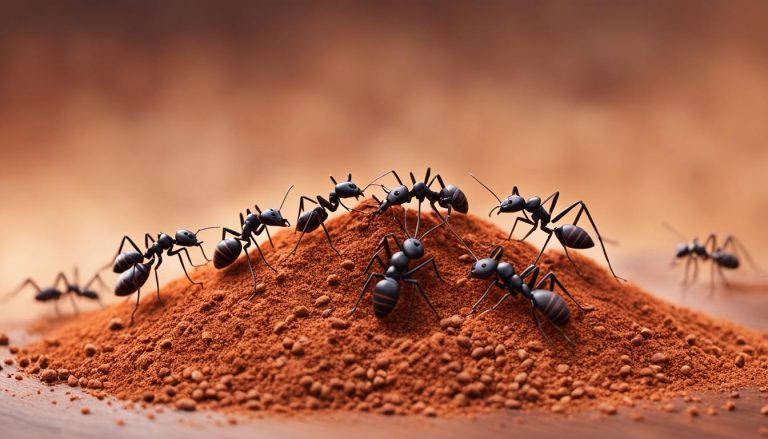
G’day! Looking for ways to kick those pesky ants out of your home without causing a fuss? Well, you’ve come to the right place! With more than 12,000 types of ants running around, finding effective ant control methods is as crucial as snagging a shady spot on a scorcher of a day. And the best part? You can do it using natural ant control techniques that are safe for you and the environment!
Aussie homes can sometimes turn into a playground for ants, and nobody wants that! So, here’s what you can do: Grab some simple things from ’round the house, like white vinegar or essential oils, and whip up a mix to stop ants in their tracks. But remember, ant prevention tips are not just about battling the ants you see; it’s also about outsmarting them. How? By wiping away their sneaky pheromone trails with a mix of glass cleaner and liquid soap or by sprinkling some pepper to send them marching away.
Keeping your space spick and span is a top-notch ant infestation management tip. They love a good crumb! So, a tight lid on your sugar and a clean countertop can make all the difference. And if you want to keep those little marchers at bay for good, you’ll need to be as cunning as a kookaburra at a campsite!
Key Takeaways
- Use household items like vinegar to ruin the ants’ trail and show them the door.
- Keep your home crumb-free and store food in airtight containers – ants can’t munch what they can’t find!
- Natural solutions, like sprinkling pepper, can give ants the boot safely and easily.
- Grab the glass cleaner and detergent to break up their scent-trails and prevent a grand return.
- Make sure to address all those weep holes and nooks where ants can sneak in.
- When in doubt, professional ant exterminators can help, especially when the going gets tough.
Natural Ant Repellents and DIY Solutions
As you seek the best ant control products, consider opening your pantry door before the pest control aisle. Natural and organic ant control solutions often reside among common kitchen supplies, offering effective and safe ant control alternatives that could well be at your fingertips.
Utilising Common Household Items
Are you in need of DIY ant control? Look no further than your kitchen shelves. Natural ant control is doable with a host of everyday items:
- Borax and sugar: A sweet and deadly lure for ants, where the sugar tempts and the boric acid element of Borax eradicates.
- Cornstarch: A sprinkle, when merged with water, acts as a natural smothering agent to incapacitate the six-legged invaders.
- Common kitchen staples such as coffee grounds and lemon juice naturally repel ants by muddling up their scent trails.
Fancy a garden free of ants? Neem oil is your ally in both repelling ants and deterring the aphids they farm, making it a superb choice for organic ant control.
When trails are your trouble, white vinegar stands ready. Not only does it eradicate these pests on contact, but it’s also excellent at erasing their trail back to wherever they came from. This method disrupts any ant reinforcements from finding their way into your abode.
Essential Oils for Ant Prevention
Not to be overlooked, the potency of essential oils brings a fragrant, yet formidable force in ant deterrence:
- The invigorating scent of peppermint oil is not only pleasant to people but also a preventative measure against ants.
- Siblings in scent, tea tree oil can join forces with peppermint for a more robust repellent.
- For a touch of zesty defence, the lemon eucalyptus oil, with its citronella-like signature, is known to ward off particular pests.
Your home, surrounded by these natural essences, sets the stage for safe ant control, safeguarding your spaces with no harsh chemicals in sight.
Safety Considerations When Using DIY Methods
While we champion the best ant control products that nature can provide, safety for your family and pets is paramount. Here’s a glance at the essential dos and don’ts:
| Product | Application Tips | Safety Precautions |
|---|---|---|
| Borax | Mix with sugar as bait; place where ant activity is high. | Keep out of reach of children and pets; avoid ingestion or direct contact with skin. |
| Essential Oils | Dilute with water; spray around entry points and ant trails. | Use diffusers or spray bottles safely; some oils may be toxic to pets. |
| White Vinegar | Use in a spray bottle to disrupt trails; apply directly to ant hills. | Apply in well-ventilated areas; avoid contact with eyes. |
Always track where you’ve treated with these DIY condiments, and ensure the safe stowage of all substances once your ant-proofing is complete. When conducted with care, these home remedies are not only effective but also uphold the ethos of safe ant control.

Professional Ant Control and Extermination Techniques
When the battle against ants becomes overwhelming, it’s time to call in the pros. Professional ant control is specially designed for those tough cases where the little invaders just won’t give up. Pest experts use nifty ant extermination techniques to get rid of the critters for good. They’ve got an arsenal of tools like surface sprays and dusts that target the ants’ hidey-holes and track their footprints back home. It’s all about hitting them where it hurts – right in the nest!
Now, these surface sprays aren’t just a one-hit wonder; they team up with ace cleanliness to keep ants out long-term. And dusts? They’re the secret agents sneaking into tight spots to stop ants in their tracks, all while keeping it safe for us humans. But here’s the real game-changer – ant baits. These little treasures are ant gold, convincing worker ants to bring them back to the nest. Sneaky, right? But it means you’re wiping out the entire ant family tree, not just the ones scurrying about your kitchen floor.
Of course, getting rid of ants isn’t just a here-and-now job. It’s about making sure they don’t come back for an unwelcome encore. That means pros will be back for regular checks, sealing up any ant-sized doors into your home, and teaching you the ropes on keeping your place less like an ant restaurant and more like a fortress. Keep your crumbs cleaned up, your sugar jar sealed tight, and your bins shipshape, and you’ll be the boss of ant prevention!
FAQ
What are some safe ant control methods for my home?
Safe ant control methods include using household items like white vinegar, glass cleaner with liquid detergent to disrupt pheromone trails, and essential oils as natural repellents. Ensuring cleanliness, proper food storage, and managing moisture sources are also effective ant prevention tips. For safe ant infestation management, consider using non-toxic options like diatomaceous earth and boiling water for ant hills, making sure to apply these methods with care, especially around children and pets.
Can I use common household items to repel ants?
Yes, several household items can be used to repel ants. A mixture of Borax and sugar can attract and eliminate ants, while white vinegar can kill ants and erase their following trails. Cornstarch, cinnamon leaf essential oil, coffee grounds, lemon juice, and neem oil in the garden are among the DIY ant control options that are both effective and environmentally friendly.
What essential oils are effective for ant prevention?
Essential oils like peppermint, tea tree, and lemon eucalyptus oil are known to be effective at repelling various ant species. These can be diluted with water and sprayed in areas prone to ant activity. Oil of lemon eucalyptus (OLE) is also recognized as a safe insect repellent. However, it is important to use these oils cautiously, especially around pets.
Are there any safety considerations when using DIY methods for ant control?
When using DIY methods, such as solutions containing Borax, boric acid, or essential oils, safety is paramount. These substances can be harmful if ingested or handled improperly. It’s crucial to carefully apply and store these materials, keep treated areas marked to prevent accidental contact, and ensure they are out of reach of children and pets.
What techniques do professionals use for ant extermination?
Pest control professionals often employ a combination of treatments, including surface sprays, dust applications in sensitive areas, and ant baits that are designed to be carried back to the colony. These techniques target both the ants seen on the surface and the nest, providing a comprehensive solution to ant infestations. Regular follow-ups may be required to prevent the return of ants and maintain a pest-free environment.